
How to Improve Garden Soil Over the Winter
Steps to take in the winter months to improve the health, texture, and nutrient content of your soil for healthy plants come spring.
Why should you work to improve your soil in winter?
Healthy garden soil is an essential step in growing and having productive garden beds. The perfect soil is not only made up of the dirt, air, and water particles below our feet, but it also contains a thriving ecosystem of earthworms, beneficial microbes, fungi, and bacteria. Life in the soil is constantly working to break down organic matter, in turn converting it into nutrients that are readily available for plants to take up. Earthworms create channels in the soil, and in turn, allow more oxygen to reach the plant’s roots.
Healthy garden soil not only increases the nutrient content in crops, but it also produces plants that are more resistant to pests and disease, more productive, and less susceptible to changes in weather patterns. By working on improving garden soil in the winter season, gardeners can also improve soil drainage, thus helping to prevent soil erosion.
Understanding your soil texture
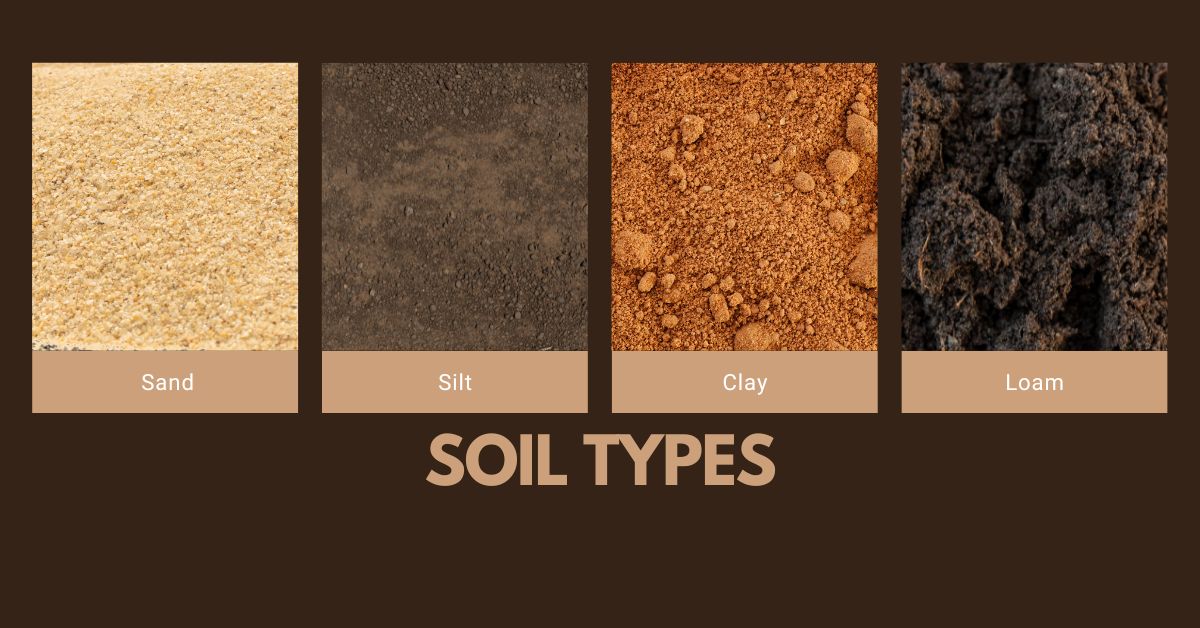
Soils are classified into three texture types: sand, silt, and clay. Each has its own benefits and drawback in regard to soil drainage, water retention capacity, and nutrient retention. Luckily, all soil types can be amended when you add organic matter.
Clay Soil
Clay is the finest of the soil particles, and therefore compacts very easily. While it does well with holding nutrients in the soil, it has very poor drainage. It is difficult for water to soak down into it and very hard to work with.
Silty Soil
Silt is also a very fine soil particle, though it is slightly larger than clay. This makes it slightly better in terms of aeration and it still does reasonably well with holding nutrients. However, silt rarely forms clods, a key identifier of healthy microbial soil life.
Sandy Soil
Sand is great for aeration and is used often as it improves soil drainage. Its drawbacks are that it does not hold nutrients and sometimes water will drain too quickly through it.
Ideal Structure – Loamy Soil
The best soil for growing a vegetable garden is rich, crumbly, loamy soil. Loamy soil contains a well-balanced texture, which is reached when an abundance of organic matter houses healthy soil communities of earthworms and microorganisms.
The ideal soil is actually largely made up of water and air, which fills in the space between the soil particles and organic matter. Air is essential for supplying oxygen to the plant’s roots, and water dissolves the essential nutrients in the soil for the plants to take up as well.
Soil structure describes how the particles of soil form into clumps, crumbs, and clods. For the garden, loose crumbs are ideal as they create lighter soil, with more pore space for oxygen to reach the roots, roots to push through the soil, and water to be absorbed. Good soil structure is also reached by adding organic materials to soil (have you noticed the theme yet?).
What nutrients are needed for ornamental and vegetable gardens? 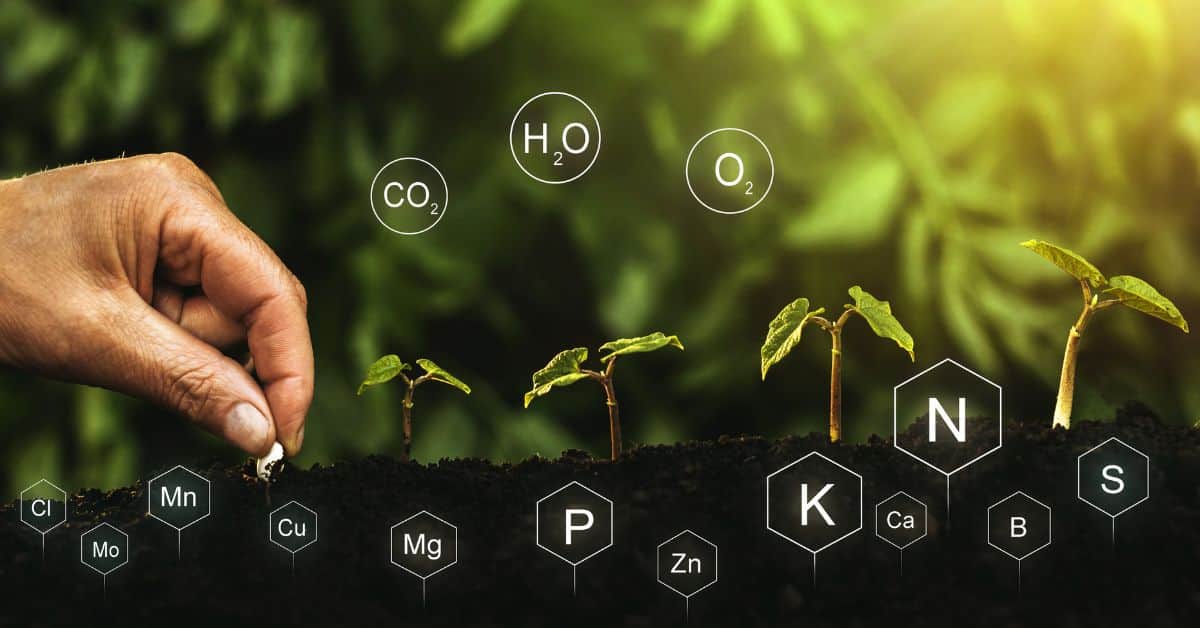
There are several nutrients that are needed for plant growth. Some are readily available through air and water (carbon, hydrogen, and oxygen). Others are already abundant in soil, and therefore no huge concern for the home gardener (calcium, magnesium, and sulfate).
The major nutrients we must be sure to replenish yearly are nitrogen, phosphorus, and potassium. These are the most commonly seek on fertilizers, but they are even more easily supplied by adding organic materials and organic mulch to the soil (or in many cases, leaving the organic materials to slowly rot on the soil surface and naturally release nutrients).
Organic matter also supplies ample amounts of the micronutrients needed, whereas many commercial organic fertilizers leave these out. Despite the minute quantities of these elements needed for plant growth, their importance was highlighted when commercial farmers tried to rely simply on heavily feeding plants with synthetic N-P-K fertilizers, rather than focusing on soil health as a whole.
How is nutrient supply controlled?
The nutrient supply in soil is controlled by a number of factors, including how much water is in the soil, how well the soil is aerated, the pH, the temperature, microbial activity, and a number of chemical interactions.
Soil naturally obtains its nutrients from the weathering of rocks, which break down into smaller mineral particles. Microorganisms also add nitrogen and other nutrient content as they break down plant material and animal waste products. When water seeps into the soil, it dissolves the nutrients, in turn allowing plants to take the up through their root systems.
At times, nutrients may become unavailable or temporarily locked up. This happens when certain plants are heavy feeds, taking all of a nutrient up for their own use. Similarly, soil organisms and microbes all take up nutrients from the soil. Fortunately, as everything comes full circle, these nutrients are returned again to the solid when the plants, organisms, or microbes die and are decomposed.
What is the ideal pH of soil? 
The ideal range for soil pH is between 6.3 – 6.9. However, plants tend to tolerate a soil pH of 5.5. – 8.0. Soil pH controls how well nutrients dissolve, therefore playing a large role in what nutrients plants are able to access.
If you are curious about conducting a pH soil test, you can dissolve a small amount of your garden soil in distilled water, then use litmus paper to identify the pH. There are a number of soil amendments that can help to rebalance pH. If the soil test tells that the soil is alkaline, sulfur can be added. For acidic soil, add lime for a soil amendment.
Rainfall is a large determinant of soil acidity. Regions that get greater rainfall tend to have more acidic soils, while more arid regions tend to have more alkaline soils. This is due to the rainfall washing away chemicals that typically counteract soil acidity.
What can you do to improve garden soil over the winter?
Adding organic matter to soil plays a monumental role in soil health. If we take a moment to think about how ecosystems naturally operate, we see that there is constantly organic matter left on the ground to decompose. While nutrients are used up as plants develop their shoots and leaves, eventually they return to the soil and the cycle continues. As gardeners, we can help promote similar systems by adding in organic compost, green manures, and mulching heavily.
There are a variety of options for adding organic matter including:
- Compost: nutrients will be most readily available to plants
- Plant residues and by-products: plant nutrients will break down over time into the soil
- Manure: nutrients will be readily available in aged manures; avoid fresh manure as it may contain high levels of ammonia, which could be harmful to the plants
- Planting cover crops or green manures: various types of legumes, grasses, and clovers can be grown, then tilled into the soil
Now that we have a solid understanding of the texture, pH, and nutrient content in need of good soil, we will delve into how to create this ideal, loamy garden soil.
Sheet Mulching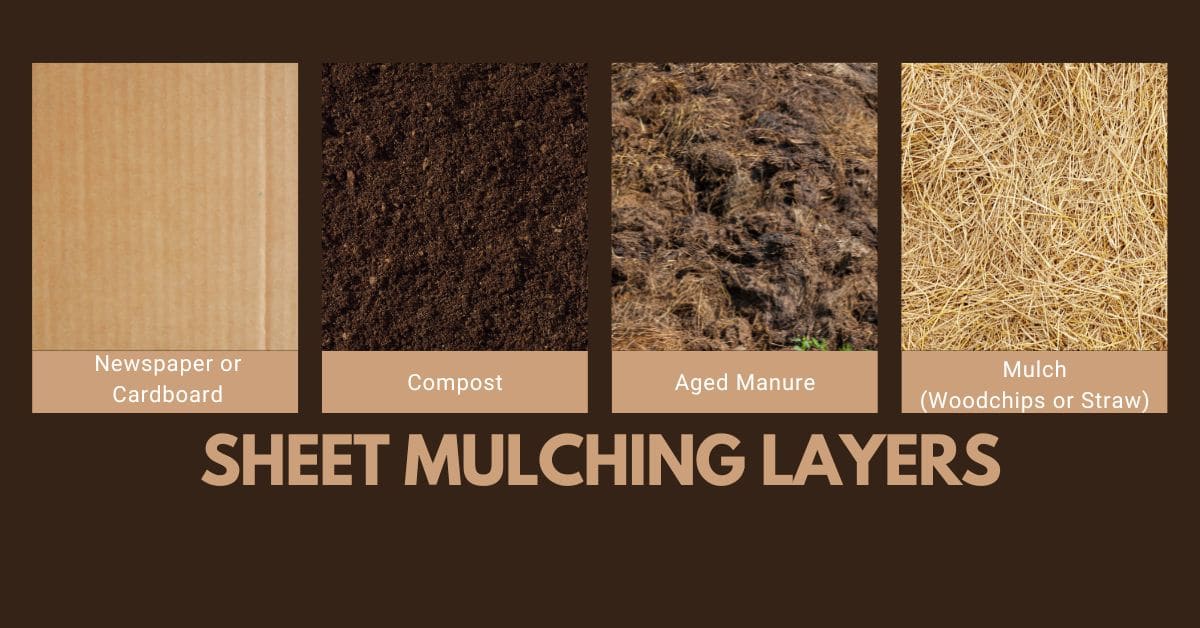
Sheet mulching consists of layering newspaper or cardboard on the ground with compost or manure. Also known as lasagna gardening or sheet composting, this method to suppress weeds that may pop up, while also serving to prevent erosion.
Sheet composting is best done in the late fall, when soil temperatures drop. Once the growing season is over, you can prepare the garden beds. If creating a new garden bed, use a lawn mower or weed trimmer to cut the vegetation down to the ground. Leave the grass clippings on the ground, then add your layers of cardboard (please be sure to remove any plastic tape if using recycled cardboard boxes, as it will not break down). On top of the cardboard, add soil compost and layer with wood chips or straw.
By early spring planting, the materials will have broken down, creating nutrient-dense soil to grow your summer garden. This is a form of no-till gardening, as the soil will be ready for you to sow seeds directly or transplant starters.
Once the plants are established, continue to add mulch such as wood chips or straw. This will continue to help protect soil from erosion, suppress weeds from sprouting, and aid with water retention.
Planting Green Manure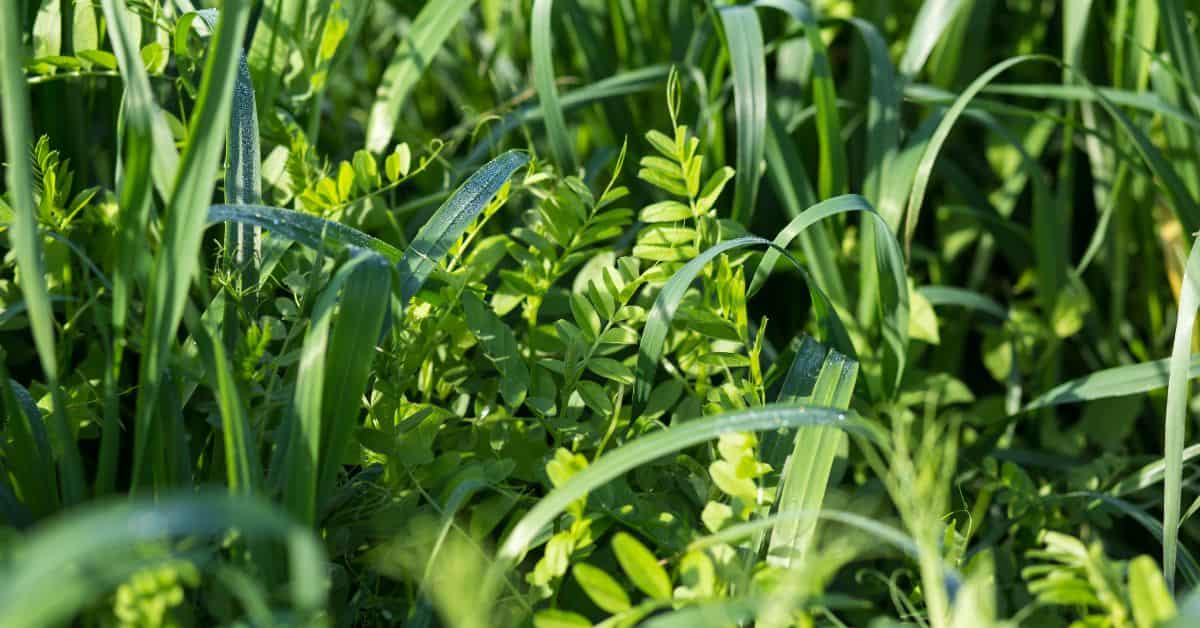
Green manures are plants or cover crops that are grown with the intention of adding nutrients back into the soil or increasing organic matter in the soil. Some common cover crops include legumes (which serve to add nitrogen back into the soil) and grasses (which serve to build up organic matter).
Cover crops are becoming increasingly popular among commercial farmers, and they can be equally beneficial in your efforts to improve your garden soil. Farmers plant cover crops to protect soil from erosion, in addition to adding matter and nutrients.
Common Legume Cover Crops
- Alfalfa
- Beans (fava, mung, soy)
- Clover (alsike, crimson, red, white, bush, sweet)
- Winter peas (field peas, cowpeas)
- Vetch (hair, common)
Common Grass Cover Crops
Adding compost to garden soil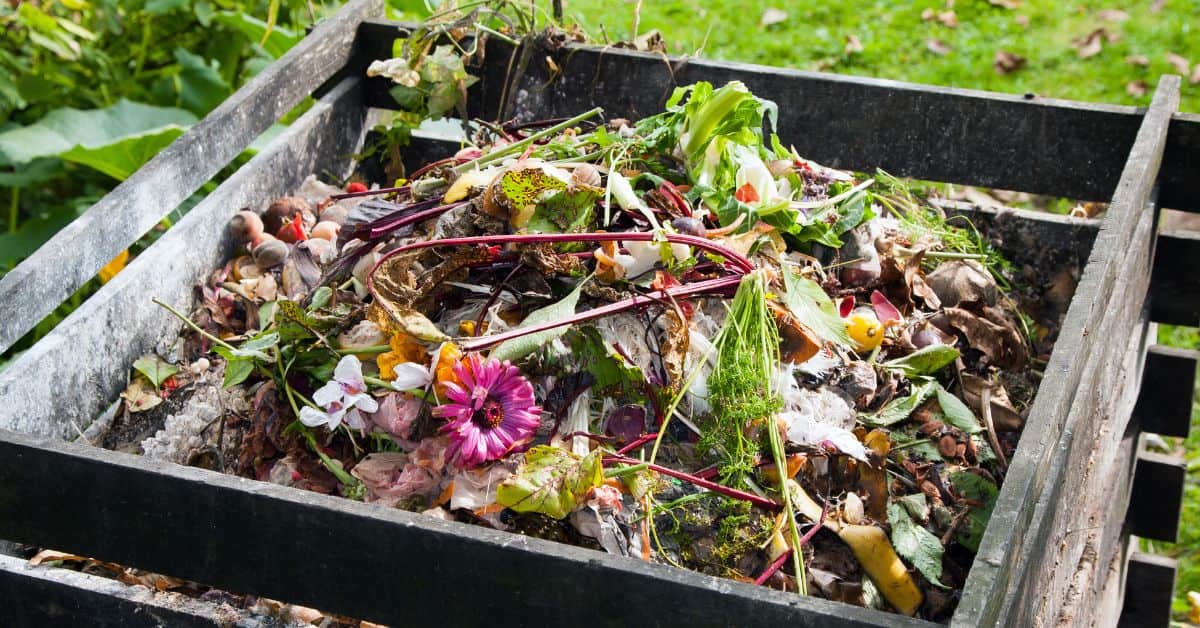
- Barley
- Bromegrass
- Buckwheat
- Millet
- Oats
- Rapeseed
- Winter Rye
- Wheat
Creating a compost pile in your garden is not only a great way to be more sustainable, but it is also a great amendment for improving your garden’s soil. You don’t have to buy anything, and there are many creative ways to use recycled materials to create a compost bin. Compost can be added to the top of the soil, or mixed directly into the garden soil.
It’s easy to see that there are a number of benefits to improving your garden soil over the winter. Planting a cover crop, sheet mulching, and incorporating compost, or adding soil amendments are all fairly simple easy to improve your soil when winter hits. By employing these methods, you will also be protecting soil from winter runoff. These methods can be used if gardening in raised beds, or directly in the ground – feel free to experience, taking bits and pieces to best serve your own garden setup!